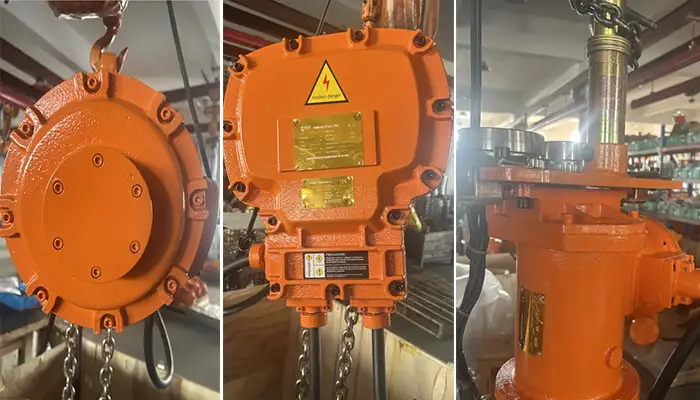
How to Select Explosion Proof Chain Hoist for Hazardous Workshops
menu_open
Content Quick Link
Check how to select a 2-ton explosion-proof electric chain hoist for hazardous workshops, focusing on safety, reliability, and efficient lifting operations.
Introduction
Electric chain hoists are essential in industrial workshops, making lifting safer, faster, and more precise. In hazardous environments—like chemical plants, oil refineries, or paint shops—standard hoists aren't enough. Even a small spark can cause serious accidents, which is why explosion-proof hoists are crucial.
A 2-ton hoist is often ideal for medium-duty tasks, balancing capacity, efficiency, and safety. Choosing the right hoist ensures:
- Safety: Prevents overloading and accidents.
- Efficiency: Smooth, reliable lifting with less downtime.
- Durability: Reduces wear from repeated use.
Practical factors to consider include load size, workshop hazard classification, lifting height, and usage frequency. Selecting the right hoist isn't just about equipment—it's about protecting people, operations, and your investment.
Explosion-Proof Electric Chain Hoists
Explosion-proof electric chain hoists are specially designed lifting devices built to operate safely in hazardous environments. Unlike standard hoists, they prevent sparks or heat from igniting flammable gases, vapors, or dust.
Key features that make a hoist explosion-proof:
- Flameproof enclosures: Contain any sparks or flames within the hoist, preventing them from reaching the surrounding environment.
- Spark-resistant materials: Components are made from metals or coatings that minimize friction and ignition risk.
- Temperature control mechanisms: Prevent overheating, ensuring the hoist stays safe even during continuous operation.
Certifications to check:
- ATEX (Europe) – for explosive atmospheres.
- IECEx (International) – for global hazardous environment compliance.
- CE – for general safety and quality standards.
Choosing a hoist with the right features and certifications ensures both operator safety and compliance with industrial regulations.
Assessing Workshop Hazards
Before choosing an explosion-proof hoist, it's critical to understand the hazards in your workshop. Knowing the risks ensures the hoist can operate safely and reliably.
Common explosion risks:
- Flammable gases, vapors, or dust: Chemicals, paint fumes, or powdered materials can ignite if exposed to sparks.
- Hot work environments: Welding, cutting, or other heat-generating processes increase ignition risks.
Hazardous zone classification:
- Workshops are divided into zones based on the likelihood and duration of explosive atmospheres.
- Selecting a hoist depends on the zone classification to ensure it meets the necessary protection level.
Environmental factors:
- Temperature: Extreme heat or cold affects motor performance and lubrication.
- Humidity: High moisture can cause corrosion or electrical issues.
- Corrosive conditions: Chemicals or salt-laden environments require resistant materials and coatings.
Assessing these hazards helps buyers match the hoist's specifications to both safety requirements and operational conditions, reducing downtime and risk.
Determining Lifting Requirements
Choosing the right hoist starts with understanding your lifting needs. A properly rated hoist ensures safe operation and long-term reliability. For many workshops, a 2-ton capacity strikes the right balance for medium-duty tasks without overloading the system.
Key factors to evaluate:
- Load types and weights: Identify the heaviest items to be lifted, including variations in size, shape, or packaging.
- Frequency of use: Consider how often the hoist will operate—continuous use requires more durable components.
- Operational cycles: Include start-stop cycles, intermittent lifting, and peak load periods.
- Height and reach: Determine the maximum lifting height, span of the crane, and trolley travel distance to ensure smooth, unobstructed operation.
Key Technical Features to Consider
When selecting a 2-ton explosion-proof hoist, the technical details make a big difference in performance, safety, and longevity. Understanding these features helps ensure the hoist meets your workshop's specific needs.
Essential features to review:
- Motor and gearbox: Look for motors designed for explosion-proof operation and gearboxes that provide smooth, reliable lifting under full load.
- Chain type and quality: High-strength, wear-resistant chains improve safety and reduce maintenance frequency.
- Control system options: Choose between pendant controls or radio remotes, depending on operator convenience and workshop layout.
- Braking systems and safety mechanisms: Ensure the hoist has dependable brakes, overload protection, and emergency stop functions to prevent accidents.
- Duty rating: Verify whether the hoist is rated for light, medium, or heavy-duty cycles, matching your operational demands.
Selecting a hoist with the right combination of features guarantees safer lifting, smoother operation, and longer service life, even in challenging hazardous environments.
Installation and Maintenance Considerations
Proper installation and ongoing maintenance are just as important as choosing the right hoist. Even the best 2-ton explosion-proof hoist can underperform or become unsafe if installed or maintained incorrectly.
Key considerations:
- Space and mounting constraints: Ensure there is enough room for the hoist, trolley, and crane travel while maintaining safe distances from walls, equipment, and personnel.
- Power supply compatibility: Confirm that the hoist's electrical requirements match your workshop's supply, including explosion-proof wiring and connections.
- Routine inspection and preventive maintenance: Regular checks on chains, brakes, motors, and controls help detect wear early and prevent downtime.
- Spare parts and service support: Choose a manufacturer or supplier with readily available parts and responsive technical support to minimize repair delays.
Addressing these factors ensures smooth operation, maximizes the hoist's lifespan, and keeps your hazardous workshop safe for operators.
Practical Buyer Tips
Choosing the right 2-ton explosion-proof hoist goes beyond technical specifications. Smart buyers focus on factors that ensure safety, compatibility, and long-term efficiency.
Key tips for buyers:
- Verify certifications and inspections: Always check ATEX, IECEx, or CE certificates and any third-party inspection reports to ensure compliance with safety standards.
- Check equipment compatibility: Make sure the hoist works seamlessly with existing cranes, trolleys, and workshop setups.
- Consider operational efficiency and costs: Factor in energy consumption, maintenance requirements, and the total cost of ownership over the hoist's lifetime.
- Involve operators in the selection process: Operators provide practical insights on usability, controls, and workflow that can influence safety and productivity.
Case Study: 2-Ton Explosion-Proof Hoist in Action
To see how theory works in practice, consider a medium-sized chemical workshop that upgraded to a 2-ton explosion-proof electric chain hoist.
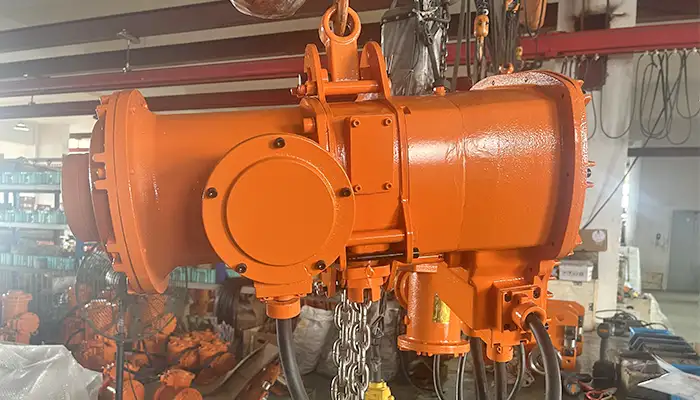 2 ton explosion proof electric chain hoist for sale Pakistan
Challenges faced:
- Frequent lifting of heavy chemical containers in a flammable environment.
- Previous standard hoists caused sparks and required frequent downtime for inspections.
- Limited space and tight overhead clearances for crane installation.
Solutions implemented:
- Installed a 2-ton explosion-proof hoist with ATEX-certified components.
- Adjusted mounting and trolley travel to fit the workshop layout safely.
- Trained operators on proper use and routine maintenance procedures.
Benefits observed:
- Improved safety: No spark incidents since installation.
- Higher productivity: Faster, smoother lifting and fewer operational interruptions.
- Reduced maintenance: Durable chain and motor reduced inspection frequency and repair costs.
This example highlights how selecting the right explosion-proof hoist enhances both safety and operational efficiency in hazardous workshops.
Conclusion
Selecting the right 2-ton explosion-proof electric chain hoist is more than a technical decision—it's a key factor in ensuring safety, regulatory compliance, and operational efficiency in hazardous workshops.
Buyers should carefully evaluate both technical specifications and environmental conditions, including load types, lifting frequency, hazard classification, and workshop layout. Making an informed choice helps prevent accidents, reduce downtime, and protect both personnel and assets.
Ultimately, the right hoist delivers long-term reliability, smoother operations, and peace of mind, letting operators focus on productivity rather than equipment concerns. Investing the time to choose wisely pays off in safety, efficiency, and cost savings over the life of the hoist.

Article by Bella ,who has been in the hoist and crane field since 2016. Bella provides overhead crane & gantry crane consultation services for clients who need a customized overhead travelling crane solution.Contact her to get free consultation.